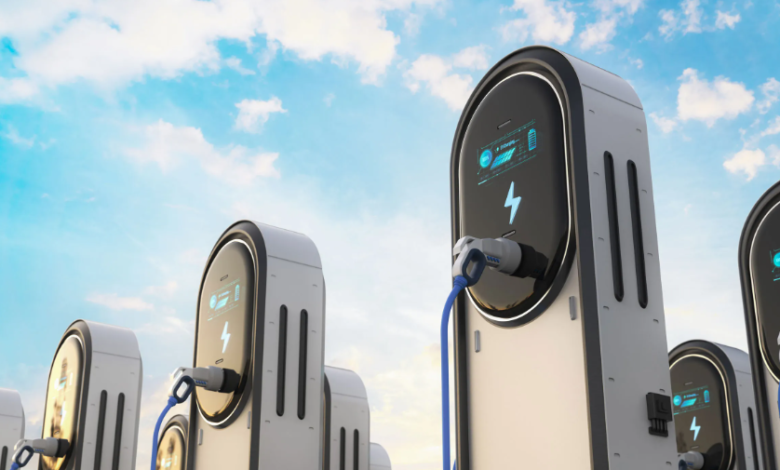
With the rapid growth of electric vehicles (EVs) on the road, understanding the infrastructure that powers them has become crucial. One essential component of this infrastructure is the EV charger. But what is an EV charger, and how does it work? In this article, we’ll explore the types, functionality, benefits, and frequently asked questions about EV chargers.
Understanding EV Chargers
An EV charger is a device designed to provide electrical energy to recharge the battery of an electric vehicle. Unlike traditional vehicles that rely on gasoline or diesel, EVs need electricity, and EV chargers serve as the bridge between the power grid and the car’s battery.
EV chargers are classified based on the charging speed, voltage, and installation type. They not only determine how fast your EV charges but also influence convenience, cost, and overall efficiency.


See also: Designing Dreams: A Deep Dive into Building Custom Homes
Types of EV Chargers
EV chargers are generally categorized into three main types:
1. Level 1 Chargers
Level 1 chargers are the simplest type of EV chargers. They use a standard 120-volt household outlet and provide a slow charging rate, typically adding about 2-5 miles of range per hour of charging. While convenient for overnight home charging, Level 1 chargers are not ideal for quick top-ups or long-distance travel.
2. Level 2 Chargers
Level 2 chargers require a 240-volt power supply, similar to what is used for electric ovens or dryers. They are faster than Level 1 chargers, providing 10-60 miles of range per hour depending on the vehicle and charger capacity. Level 2 chargers are commonly installed in homes, workplaces, and public charging stations.
3. DC Fast Chargers (Level 3)
DC fast chargers, also known as Level 3 chargers, deliver high-voltage direct current directly to the vehicle’s battery. These chargers can provide 60-200 miles of range in just 20-30 minutes, making them ideal for long-distance travel and highway stops. However, they are more expensive to install and are mainly available in commercial or public locations.
How EV Chargers Work
EV chargers work by converting electricity from the grid into a form that can safely charge the vehicle’s battery. Level 1 and Level 2 chargers use alternating current (AC), which the car’s onboard charger converts to direct current (DC) for the battery. DC fast chargers bypass the onboard charger and supply DC directly, enabling much faster charging speeds.
Modern EV chargers often come with smart features, such as:
- Mobile app connectivity
- Scheduled charging
- Energy usage monitoring
- Load balancing for multiple chargers
These features improve convenience, efficiency, and even reduce electricity costs for EV owners.
Benefits of EV Chargers
Investing in an EV charger offers several benefits:
- Convenience: Home chargers allow you to charge your EV overnight, eliminating trips to gas stations.
- Cost Savings: Charging at home is generally cheaper than using public fast chargers.
- Environmental Impact: Using electricity, especially from renewable sources, reduces carbon emissions compared to gasoline vehicles.
- Enhanced Vehicle Lifespan: Proper charging reduces battery degradation and extends the lifespan of your EV.
FAQs About EV Chargers
Q1: How long does it take to charge an electric vehicle?
A: Charging time depends on the type of charger and the battery capacity. Level 1 chargers may take 12-24 hours for a full charge, Level 2 chargers 4-8 hours, and DC fast chargers 20-60 minutes for 80% charge.
Q2: Can I use a regular home outlet to charge my EV?
A: Yes, a standard 120V outlet (Level 1 charger) can be used, but charging will be slow. For faster charging, a Level 2 charger is recommended.
Q3: Are EV chargers safe to use?
A: Yes, EV chargers are designed with safety features like overcurrent protection, thermal management, and automatic shutoff to prevent accidents.
Q4: Do EV chargers work with all electric vehicles?
A: Most chargers are compatible with all EVs, but plug types and charging speeds may vary. Always check your vehicle manufacturer’s recommendations.
Q5: Is installing a home EV charger expensive?
A: Installation costs vary depending on electrical work and charger type. Level 2 chargers usually require a professional electrician and can cost more than Level 1 setups.
Conclusion
An EV charger is a vital piece of technology in the transition toward electric mobility. By understanding the types, benefits, and functionalities of EV chargers, EV owners can make informed choices that improve convenience, save costs, and support a sustainable future. Whether at home, work, or on the road, having access to the right EV charger ensures that your electric vehicle remains ready for every journey.